Home Window Tinting: A Complete Guide
By
Henry
Published
February 7, 2026
Read Time
5 min read
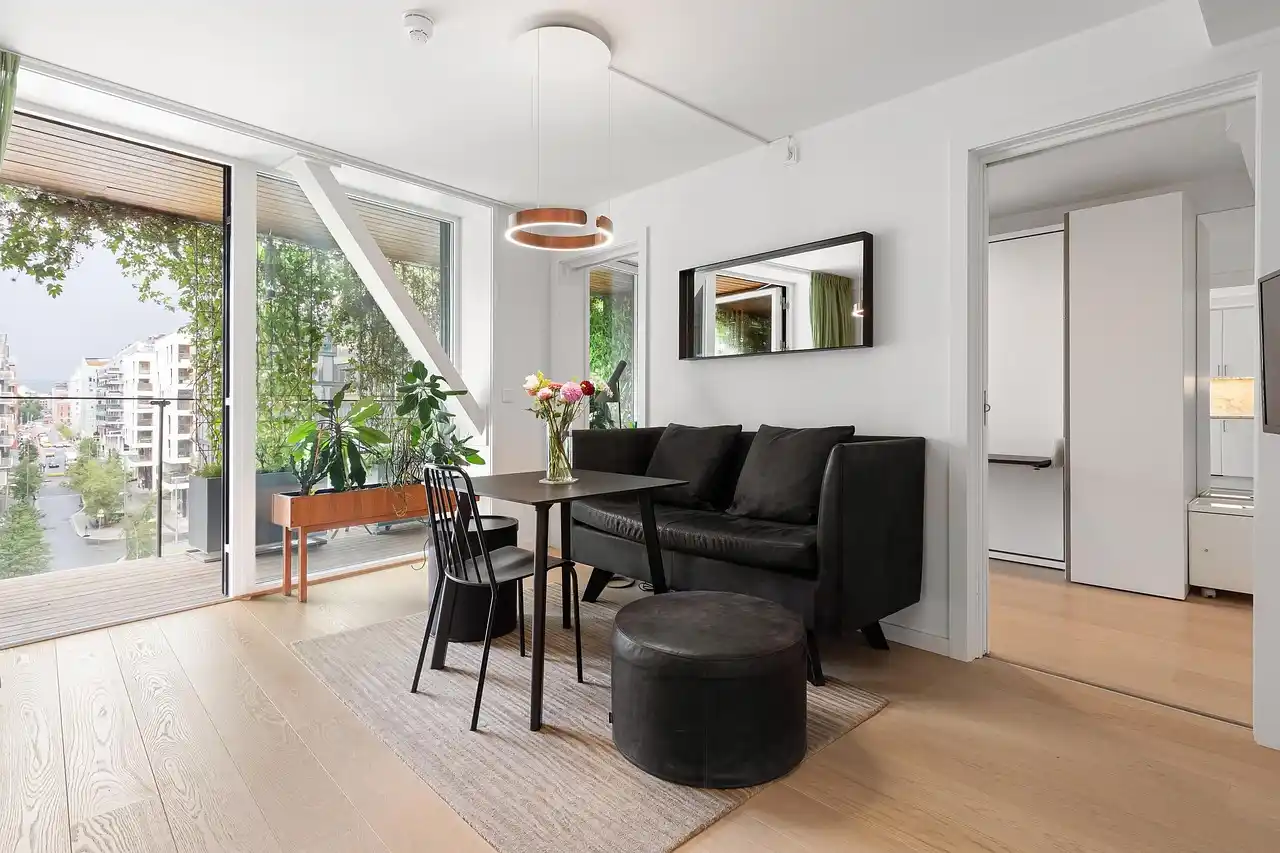
What is home window tinting?
Home window tinting involves applying a specialized film to the interior surface of glass windows. The film is designed to reduce solar heat gain, limit glare, block UV rays, and enhance privacy without severely compromising natural light or the view. Effective home window tinting combines science and craftsmanship, delivering comfort, energy savings, and aesthetic appeal for residential spaces.
Key benefits of home window tinting
- Energy savings: Lower cooling loads in hot months by reducing heat transfer through glass.
- UV protection: Most films block up to 99% of ultraviolet rays, helping protect furnishings and skin from sun damage.
- Glare reduction: Softer daylight levels improve comfort for screens and reading without sacrificing outdoors visibility.
- Privacy and security: Certain films create a reflective or tinted appearance that limits visibility from outside while maintaining interior brightness.
- Aesthetic consistency: A wide range of tones and finishes allows you to harmonize with your home’s architecture.
Types of window tint film for homes
Choosing the right film depends on climate, sun exposure, privacy needs, and budget. Here are common options with typical performance characteristics:
Dyed film: Inexpensive and good for making windows appear uniform. It provides moderate heat rejection and privacy but is less durable over time and can fade in strong sun.
Metalized film: Excellent heat rejection and glare control. It can interfere with electronics and may show a reflective appearance, especially in bright light.
Ceramic film: High performance with superior heat rejection and UV protection. Non-conductive and preserves signal quality for devices; generally the most durable and aesthetically versatile.
Carbon film: Reduces infrared heat with a non-reflective finish. Durable and good for privacy, though slightly lower light transmission than ceramic.
Hybrid film: Combines features of dyed and metalized films to balance heat rejection, cost, and glare control.
Film options at a glance
| Film Type | Heat Rejection | UV Protection | Privacy | Durability | Typical Cost |
|---|---|---|---|---|---|
| Dyed | Moderate | Moderate-High | Low-Moderate | Medium | $-$$ |
| Metalized | High | High | Medium | Medium | $$-$$$ |
| Ceramic | Very High | Very High | Medium | High | $$$ |
| Carbon | High | High | Medium-High | High | $$-$$$ |
| Hybrid | High | High | Medium | High | $$ |
Choosing the right film for your home
To select the best tint, assess your climate, sun orientation, and interior needs. Consider these steps:- Measure windows and note orientation (south and west exposures often need stronger heat rejection).- Decide on the balance between light transmission and privacy. If you want a brighter interior, ceramic or carbon films with higher visible light transmission are ideal.- Review energy goals: If your primary aim is energy efficiency, prioritize high heat rejection without sacrificing too much light.- Check for warranty and maintenance requirements from the manufacturer and installer.
Installation and maintenance: DIY vs professional
Professional installation is recommended for most homes to ensure a bubble-free finish, proper edge sealing, and uniform tint across large panes. A qualified installer will measure SHGC (solar heat gain coefficient) and VT (visible transmittance) to tailor the film to your windows. If you choose a DIY approach, be aware of residue, air bubbles, and potential damage to seals. Cleaning tips include using soft, non-abrasive cloths and mild, non-ammonia cleaners to avoid film damage.
Cost considerations and return on investment
Costs vary by film type, window size, and labor. For typical residential projects, professional installation ranges from roughly $5 to $15 per square foot depending on film quality and local rates. While upfront costs can be substantial, benefits like cooling savings, reduced glare, and UV protection can lower energy bills and extend the life of furnishings. ROI improves with larger window areas and homes in hot climates. Always request a written estimate and compare multiple installers, including warranty terms.
Safety, regulatory considerations and EEAT
When selecting a film, prioritize low-VOC adhesives and compliant products from reputable manufacturers. Request documentation on product performance data, reflectivity, and warranty. Hire licensed installers with proper insurance and references. Look for installer accreditations and ask for before/after photos and measurements. These steps support experience, authority, trust, and transparency (the EEAT principles) and help ensure durable, high-quality results that are safe for your family.
Key considerations for a successful project
- Obtain written specifications, including the film type, shade, VT, SHGC, and warranty.
- Schedule work during mild weather to avoid thermal stress while the film cures.
- Plan for potential re-tinting or cleaning sessions after installation to maintain clarity and appearance.
Summary
Conclusion, home window tinting offers noticeable energy savings, UV protection, glare reduction, and enhanced privacy when you select the right film and partner with a qualified installer. By understanding film types, evaluating climate needs, and following proper installation and maintenance practices, you can improve comfort, protect furnishings, and preserve the aesthetic value of your home while staying within budget.