Roofing and Roof Repairs: Expert Guide
By
Scarlett
Published
February 7, 2026
Read Time
4 min read
Roofing and roof repairs are essential parts of protecting your home from the elements, maintaining structural integrity, and preserving value. A well maintained roof also improves energy efficiency and reduces long term costs. This guide provides practical, evidence based guidance for homeowners seeking reliable information on when to repair, how to select a roofing contractor, and what to expect in terms of costs and warranties. By focusing on expertise, trust, and transparent process, readers can make informed decisions about roofing and roof repairs that stand up to scrutiny.
Why roof repairs matter
Small leaks or damaged shingles may seem minor, but without timely attention they can lead to buckling, mold, and expensive damage to ceilings and insulation. Roof repairs extend the life of the roof, protect the interior from water intrusion, and maintain energy performance by preserving a tight envelope. Regular inspections after storms or seasonal transitions help catch issues before they escalate, which is a cornerstone of good roof maintenance.
Repair vs replacement: key decision factors
Choosing between repair and replacement depends on roof age, extent of damage, material type, and budget. If the roof is approaching the end of its expected life, frequent repairs become costlier and less reliable. Conversely, a localized issue such as a flashing leak or a handful of damaged shingles can often be resolved with targeted repairs. Consider long term energy efficiency, warranty terms, and the potential for future issues when deciding.
Signs you need repairs
- Visible leaks or water stains on ceilings or attic sheathing
- Curling, cracked, or missing shingles
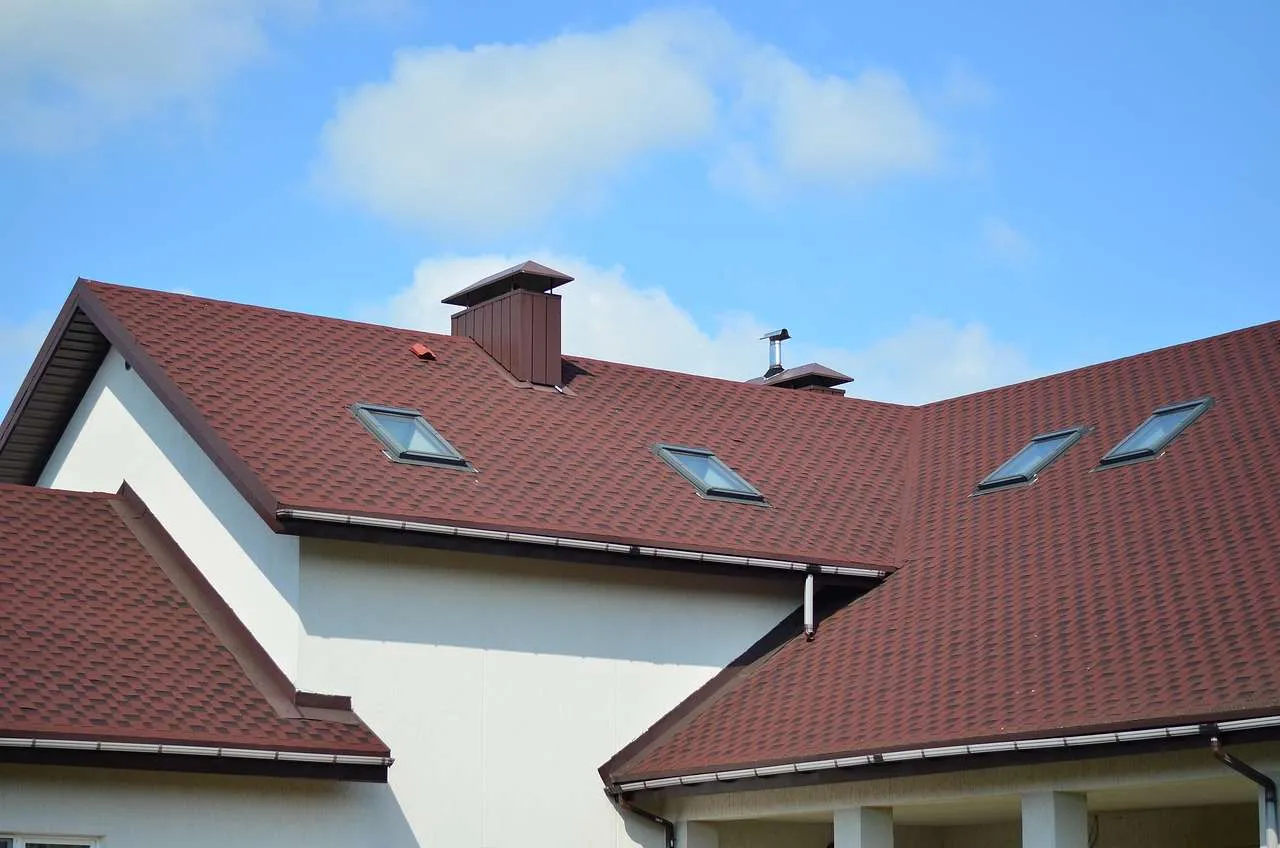
- Damaged flashing around chimneys, vents, or skylights
- Granule loss in gutters or downspouts
- Ice dams and poor attic ventilation
How to choose a roofing contractor
Work with a licensed, insured, and reputable contractor. Ask for written estimates, references, and a clear scope of work. Verify licensing with your state or region and check reviews from independent sources. Ensure the contract specifies material types, start and completion dates, waste removal, and a warranty on both labor and materials. For EEAT, prefer firms with established portfolios, transparent pricing, and certified installers for the materials you choose.
Common issues and typical repairs
Leaks around chimneys or roof penetrations are commonly addressed by resealing or flashing replacement. Damaged shingles can be replaced one by one, preserving the rest of the roof. Faulty vent boots, cracked underlayment, or degraded attic insulation may require more extensive repair or ventilation improvements to prevent future moisture buildup. Always confirm the cause of a problem with a professional assessment and insist on a written scope and warranty.
Costs, warranties, and maintenance tips
Costs for roof repairs vary widely based on material, accessibility, and the scope of work. Minor repairs such as resealing flashing or replacing a small area of shingles can range from a few hundred dollars, while larger repair projects may run into the low thousands. Replacements are more expensive but come with longer warranties and improved performance. Regular maintenance like annual inspections, gutter cleaning, and trimming overhanging branches helps extend roof life and prevent costly emergencies.
Table: Repair vs Replacement at a glance
| Aspect | Roof Repair | Roof Replacement |
| Lifespan after service | Extended but limited by existing structure | Typically 25-50 years depending on material |
| Typical cost | Lower upfront; varies by issue | Higher upfront; materials and labor |
| Disruption | Shorter; may require partial exposures | Longer; full roof removal |
| Energy efficiency | Improves where properly sealed | Often significantly improved with fresh underlayment and insulation |
| Warranties | Labor warranty plus material warranty where applicable | Extended material and labor warranties |
Maintenance checklist
Schedule inspections after major storms, inspect from the attic for signs of water intrusion, clean gutters twice a year, remove debris from the roof surface, and ensure proper attic ventilation. Use quality materials and hire installers certified for the product line you choose. This approach aligns with best practices in roofing and roof repairs and supports long term performance.
Conclusion, a thoughtful approach to roofing and roof repairs combines timely intervention, professional assessment, and a clear plan for maintenance. By weighing repair options against replacement, choosing a reputable contractor, and following a proactive maintenance routine, homeowners protect their property today and for years to come.