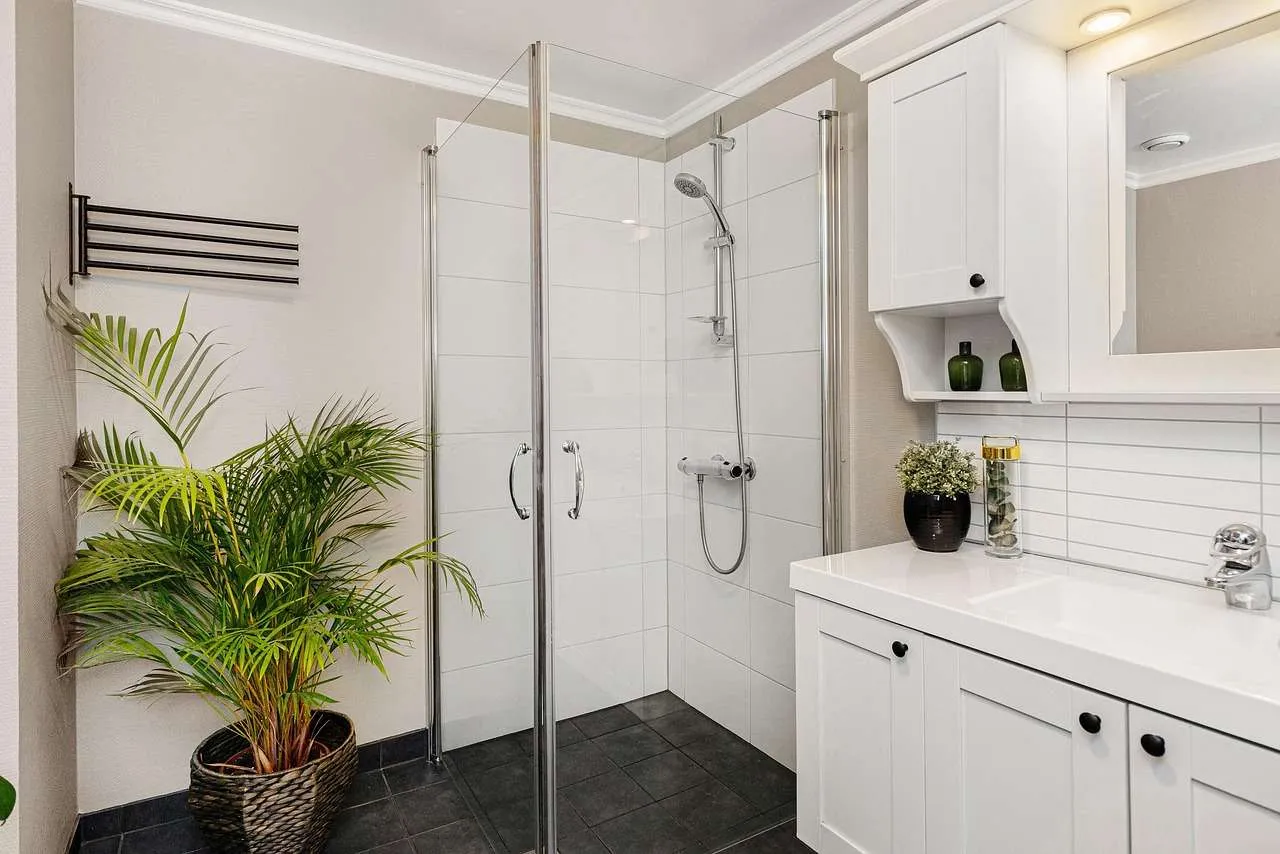
Bathroom Decor Ideas for Your Space
By
Jacob
Published
February 7, 2026
Read Time
4 min read
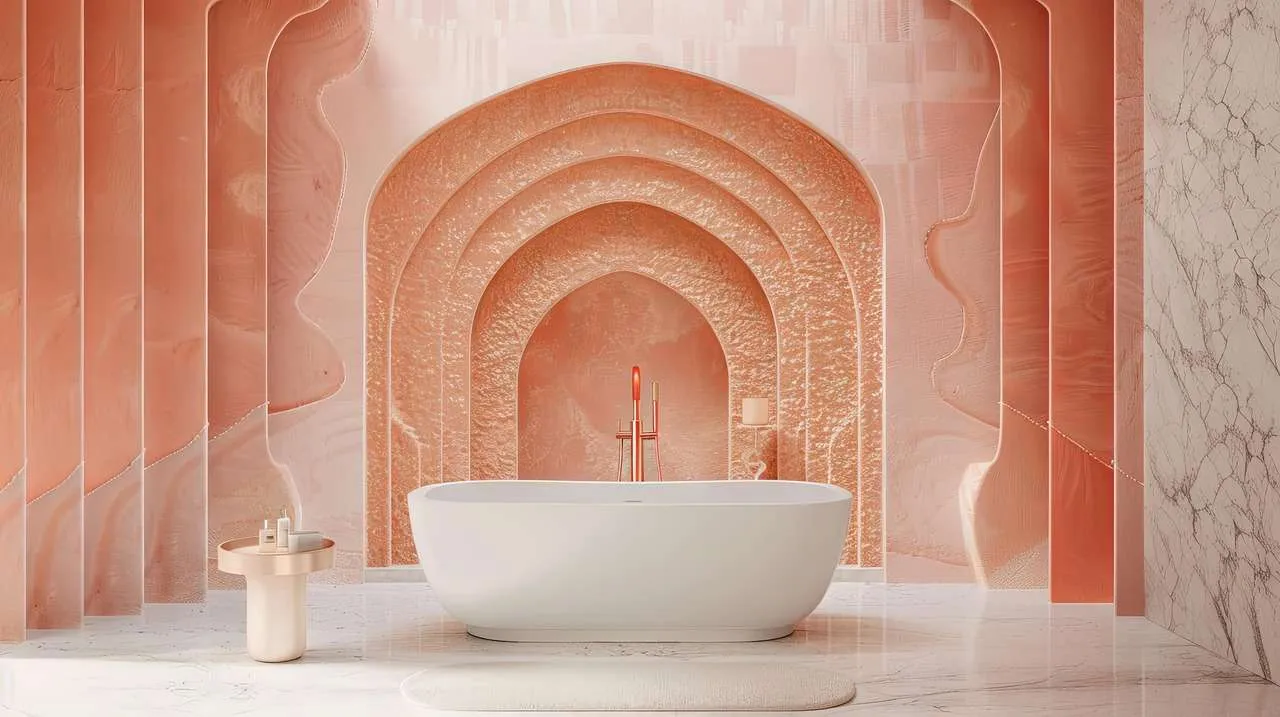
As a seasoned designer with over ten years of experience in bathroom decor, I help homeowners craft spaces that are both functional and inviting. This guide focuses on practical steps, trusted sourcing, and timeless design to ensure your bathroom remains stylish for years. By combining style with proven materials and good maintenance, you can achieve a cohesive look that enhances daily routines and resale value.
Understanding your space and style
Before choosing tiles or towels, assess the room's size, layout, and light. A style moodboard helps align color and texture across fixtures, cabinetry, textiles, and accessories. Note whether the room has high humidity, and identify areas where glare or shadows occur.
Color palettes and trends
Neutral bases with strategy accents are timeless. Think a soft wall tone paired with a bolder vanity or a patterned tile as a focal point. For small baths, light walls and larger-format tiles reflect more light, while a single accent color on towels or a rug ties the room together. Always consider resale color psychology as part of a durable design.
Lighting and ambiance
Layer lighting into three levels: ambient, task, and accent. Mirror lighting with even illumination reduces shadows, while a dimmer switch on overhead or vanity lights creates a spa like mood. Choose bulbs around 2700K to 3000K for a warm, inviting glow that still reads clearly for grooming tasks.
Materials and finishes
Humidity and water exposure demand durable materials. Porcelain and ceramic tiles resist moisture well and are easy to clean, while natural stone requires sealing. Glass surfaces add light and a contemporary feel, but may need more frequent cleaning. For fixtures, consider finishes like brushed nickel, matte black, or chrome to create a cohesive look with hardware and faucets.
Storage and organization
Smart storage keeps decor from feeling chaotic. Recessed niches in showers, tall linen cabinets, vanity drawers, and decorative baskets blend function with style. Hidden outlets and charging spaces help keep counters clear while supporting daily routines.
Budgeting and planning
Start with a written plan and a budget that includes a contingency of 10 to 15 percent for surprises. Prioritize durable, water resistant items such as tiles, vanity, and cabinetry. Compare options across retailers, and read product reviews to gauge performance over time.
DIY versus hiring professionals
Small updates like paint, hardware, and textiles can be DIY projects, but tile installation, plumbing, and electrical work should be performed by licensed professionals. A phased approach reduces risk and ensures safety standards are met.
Care and maintenance
Preventive care extends the life of your bathroom decor. Seal grout and stone as recommended by manufacturers, ventilate to reduce moisture, and choose cleaning products that are pH balanced and non abrasive for delicate surfaces. Regular wipe downs prevent water spots and maintain color integrity.
Material options at a glance
| Material | Pros | Cons | Best Use |
| Ceramic tiles | Affordable, durable | Can feel flat | Walls and floors with busy patterns |
| Porcelain tiles | High density, water resistant | Heavier, pricier | Wet areas and floors |
| Natural stone | Luxurious look | Porosity, requires sealing | Accent walls, showers |
| Glass surfaces | Reflects light, modern | Shows water spots | Backsplashes, shower enclosures |
| Vinyl sheets | Waterproof, budget friendly | Lower durability over time | Utility baths, rentals |
To achieve a cohesive look, carry a unifying element across floors, walls, and cabinetry—this could be a color, a material family, or a finish. Layer texture with textiles, soft furnishings, and gentle greenery to soften hard surfaces without overwhelming the space.
With a clear plan, you can balance practicality and aesthetics to create a bathroom decor that feels both timeless and personal.
Conclusion, a well designed bathroom decor harmonizes space, light, color, and texture. Start with a plan, invest in durable basics, and layer personality through accents for lasting style.